Creating an efficient and comfortable desk setup is key to staying focused and productive, whether you work from home or at the office. A well-designed workspace can reduce distractions, prevent discomfort, and help you maintain a positive workflow throughout your day. In this post, we’ll explore practical tips to optimize your desk setup for both comfort and concentration.
Why a Good Desk Setup Matters
Your workspace influences how effectively you work. Cluttered, uncomfortable, or poorly arranged desks can cause distractions, physical strain, and fatigue. On the other hand, thoughtful desk setups encourage good posture, minimize interruptions, and create an inviting environment that supports sustained focus.
Choosing the Right Desk and Chair
Desk Height and Size
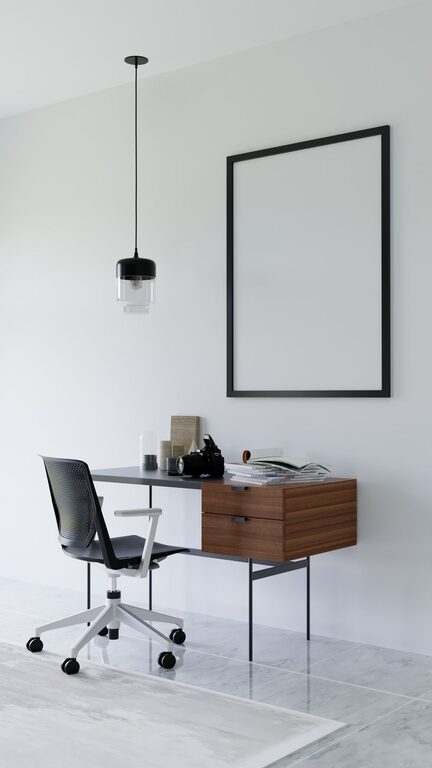
Select a desk with a height that allows your arms to rest comfortably at a 90-degree angle when typing or writing. Standard desk heights are typically between 28 to 30 inches, but adjustable desks can offer more customization.
Also, ensure your desk surface is large enough to accommodate your computer, essential accessories, and provide some free space to work or organize papers.
Invest in an Ergonomic Chair
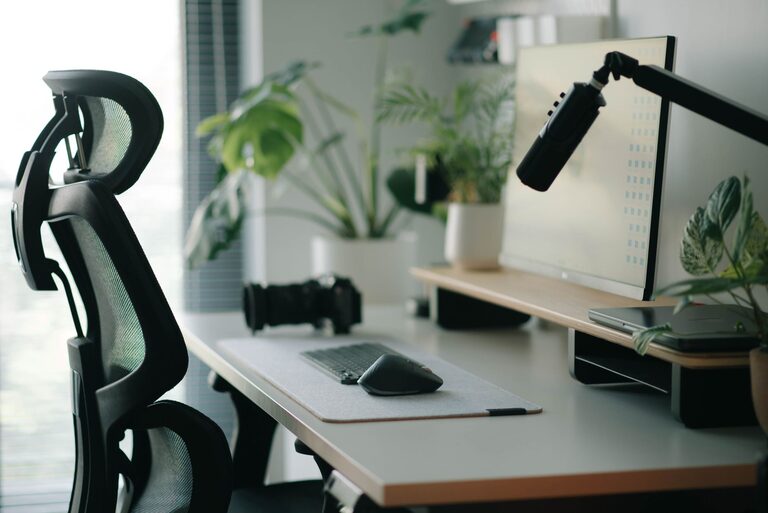
An ergonomic chair supports your lower back and promotes good posture. Look for adjustable features such as seat height, lumbar support, and armrests. Sitting comfortably reduces the risk of back pain and helps maintain focus throughout long work hours.
Positioning Your Monitor for Reduced Eye Strain
Place your computer monitor directly in front of you about an arm’s length away. The top of the screen should be at or slightly below eye level to prevent neck strain. If using multiple monitors, position them close together and at the same height.
Using a monitor stand or adjustable arm can help achieve the ideal height and distance.
Organizing Your Desk for Maximum Efficiency
Declutter Regularly
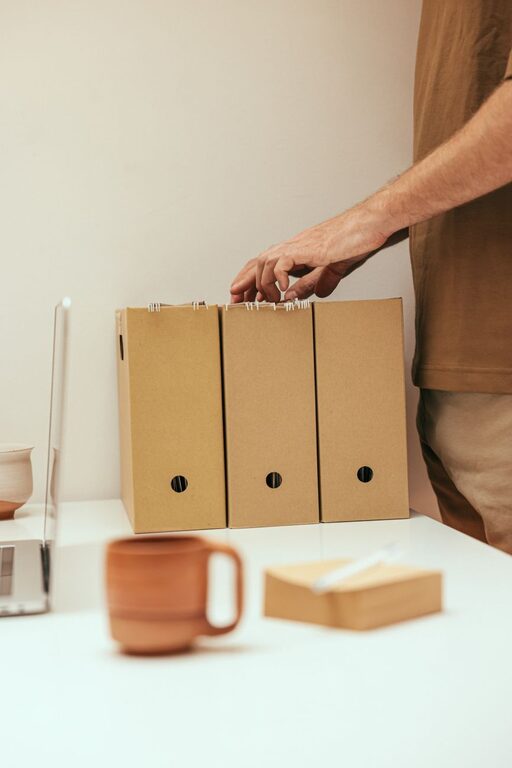
A clutter-free desk reduces distractions. Keep only essential items on your workspace and store the rest in drawers or organizers.
Use Desk Organizers
Trays, pen holders, and filing systems keep supplies in place and easy to find. Label storage compartments to streamline your workflow.
Cable Management
Use cable clips, sleeves, or under-desk trays to manage wires and prevent tangling. A neat setup not only looks better but also minimizes the risk of accidents or hardware damage.
Lighting Tips for Comfort and Focus
Good lighting reduces eye strain and boosts alertness. Ideally, position your desk near a window to take advantage of natural light. If natural light is limited, consider a desk lamp with adjustable brightness and color temperature. Soft white or daylight bulbs are usually best for workspaces.
Avoid glare on your screen by placing your monitor perpendicular to windows or light sources.
Adding Comfort with Accessories
Keyboard and Mouse
Choose ergonomic keyboards and mice designed to minimize wrist strain. Ensure they’re positioned close to your body and at a comfortable height.
Footrest
If your feet don’t rest flat on the floor, a footrest can improve circulation and support better posture.
Desk Mat or Wrist Rest
Using a wrist rest can provide extra cushioning while typing or using a mouse.
Personalizing Your Workspace
Adding small personal touches, like a plant, photos, or artwork, can make your desk a more inviting space. Plants, in particular, can boost mood and improve air quality.
However, avoid overcrowding your desk with decorations to keep the focus on work.
Establishing Good Habits at Your Desk
– Take Regular Breaks: Stand up, stretch, or take a short walk every hour to reduce fatigue.
– Maintain Good Posture: Sit upright with your back supported and both feet flat on the floor.
– Stay Hydrated: Keep a water bottle nearby and drink regularly.
– Set Boundaries: Keep your workspace dedicated to work to help switch into “focus mode.”
Final Thoughts
Your desk setup plays a significant role in your daily productivity and comfort. By choosing ergonomic furniture, organizing your space efficiently, optimizing lighting, and personalizing your environment, you can create a workspace that supports focus and well-being. Start with small changes and adjust your setup over time until it feels just right for you.
Remember, the best desk setup is one that fits your individual needs and preferences. Prioritize comfort and simplicity, and your productivity will thank you!