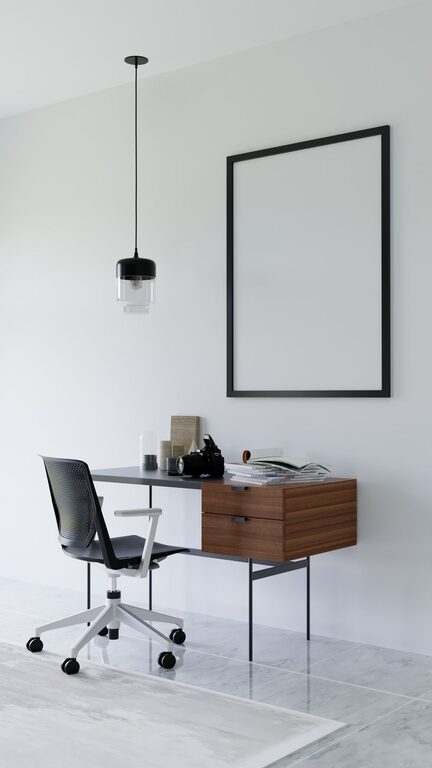

Creating a quiet and peaceful home environment can significantly improve your comfort and overall well-being. Whether you live in a busy neighborhood, an apartment, or a house near a street, unwanted noise can disrupt your daily life. Fortunately, there are simple and practical ways to reduce noise at home without breaking the bank or taking on major renovations. This guide explores a variety of techniques and solutions to help you enjoy a quieter space.
Understanding Noise Sources in Your Home
Before diving into solutions, it helps to identify common sources of noise:
– Outdoor noise: traffic, construction, neighbors, lawn mowers
– Indoor noise: appliances, footsteps, furniture movement, voices
– Structural noise: sounds traveling through walls, floors, and ceilings
Knowing where the noise comes from will help you choose the most effective strategies.
Simple Ways to Reduce Noise at Home
1. Use Soft Furnishings to Absorb Sound
Hard surfaces reflect sound waves, which can make noise seem louder. Adding soft furnishings helps absorb sound and reduce echo.
– Add area rugs or carpets to bare floors
– Use thick curtains or drapes on windows
– Incorporate upholstered furniture, cushions, and throw pillows
– Hang fabric wall art or tapestries
These items add texture and softness that dampen noise significantly.
2. Seal Gaps Around Windows and Doors
Noise often leaks through small gaps or cracks.
– Use weatherstripping around doors and window frames
– Apply acoustic caulk or sealant to fill cracks
– Install door sweeps to block sound from under doors
These measures not only reduce noise but improve energy efficiency as well.
3. Rearrange Furniture Strategically
Furniture placement can help block or absorb sound.
– Position bookshelves against shared walls to act as sound barriers
– Place large pieces like sofas against noisy walls
– Use room dividers or screens to create breaks in open spaces
This simple step can create quieter zones within your home.
4. Add Soundproofing Materials
If noise is a persistent problem, consider incorporating soundproofing products.
– Acoustic panels can be mounted on walls or ceilings to absorb sound
– Door and window inserts add an extra layer of noise protection
– Carpeting with thick padding reduces sound through floors
Many of these options are available as DIY kits and can be installed without professional help.
5. Manage Background Noise
Sometimes, creating soft background noise can make disruptive sounds less noticeable.
– Use white noise machines or fans for consistent, gentle sound
– Play calming music or nature sounds to mask outside noise
– Use water features like indoor fountains for soothing ambient noise
This approach doesn’t remove noise but helps your brain focus better.
6. Maintain Appliances and Fix Noisy Issues
Regularly check and maintain home appliances to prevent unnecessary noise.
– Clean and lubricate fans, HVAC systems, and refrigerators
– Tighten loose parts on appliances and furniture to stop rattling
– Replace worn-out components that cause loud operation
A quiet home often starts with quiet appliances.
7. Create Quiet Zones
Designating certain rooms or corners as quiet spaces can help when you need to focus or relax.
– Choose rooms away from street-facing sides of the house
– Use room dividers and soft furnishings to isolate the area
– Keep noise-producing devices out of these zones
Quiet zones are especially helpful for work-from-home setups or study areas.
Additional Tips for Noise Reduction
– Plant trees or shrubs outside windows to act as natural sound barriers
– Use double-glazed or laminated windows for better sound insulation
– Install heavy curtains with soundproof linings if street noise is severe
– Use rugs with thick pads in hallways to reduce footsteps
– Encourage family members to adopt quiet habits, like walking softly
When to Consider Professional Help
If noise problems persist despite your efforts, you might need expert advice.
– Acoustic consultants can evaluate your home and suggest custom solutions
– Contractors can install specialized soundproofing materials like resilient channels or mass-loaded vinyl
– Window and door specialists can recommend upgrades for noise reduction
Professional input can be especially valuable for homes near airports, highways, or other loud environments.
Conclusion
Reducing noise at home is achievable with simple steps like adding soft furnishings, sealing gaps, rearranging furniture, and maintaining appliances. These techniques not only improve your home’s comfort but can enhance focus, relaxation, and rest. Start small with easy fixes and gradually explore more advanced options if needed to create the peaceful home environment you deserve. Enjoy the benefits of a quieter living space today!